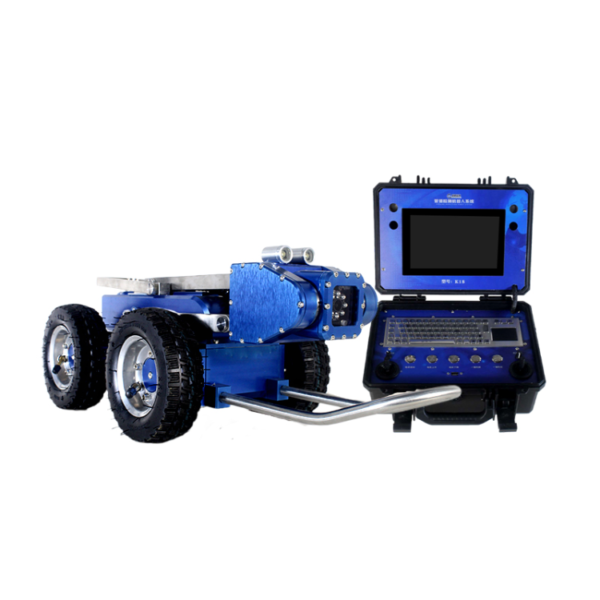
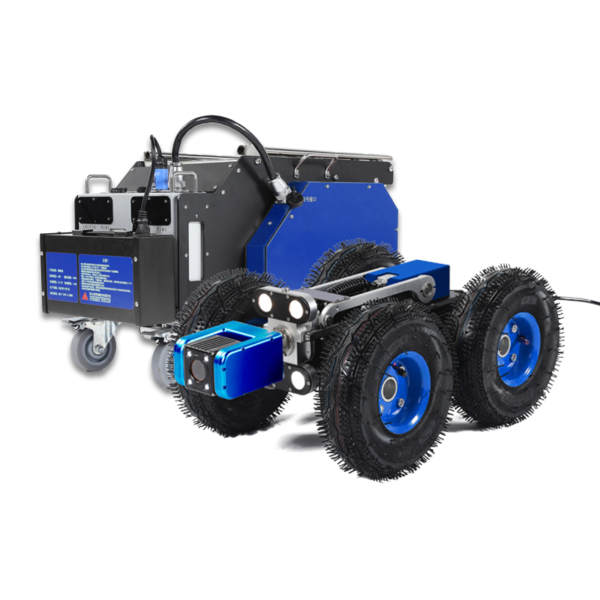
Pipeline Robot
How Pipeline Inspection Robots Improve Underground Pipeline Maintenance
Nov
Underground pipelines play an essential role in municipal infrastructure, industrial facilities, drainage networks, and wastewater systems. However, inspecting their internal condition can be difficult, especially when pipelines are long, large in diameter, or inaccessible to conventional inspection equipment.
A pipeline inspection robot provides an advanced solution by allowing operators to examine pipeline interiors remotely without the need for direct human entry.
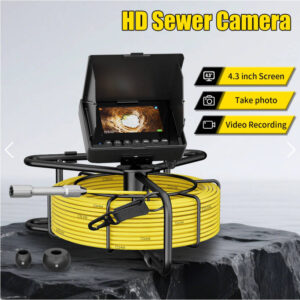
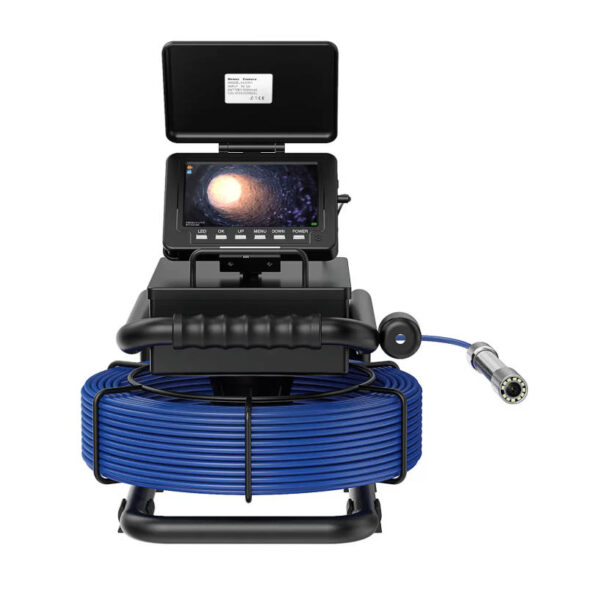
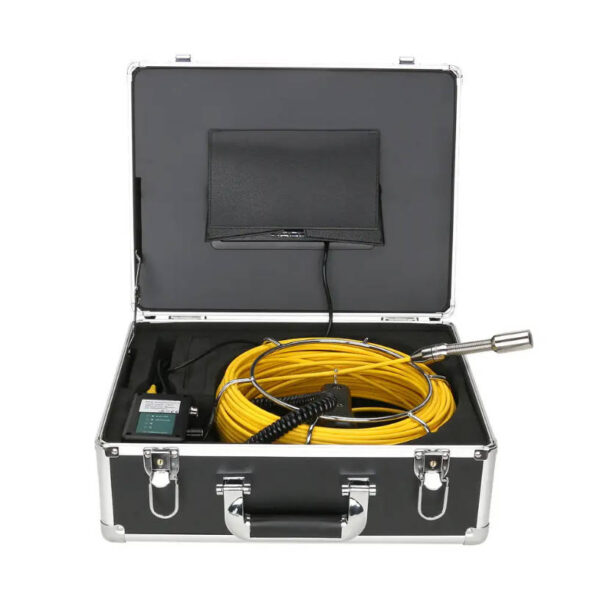
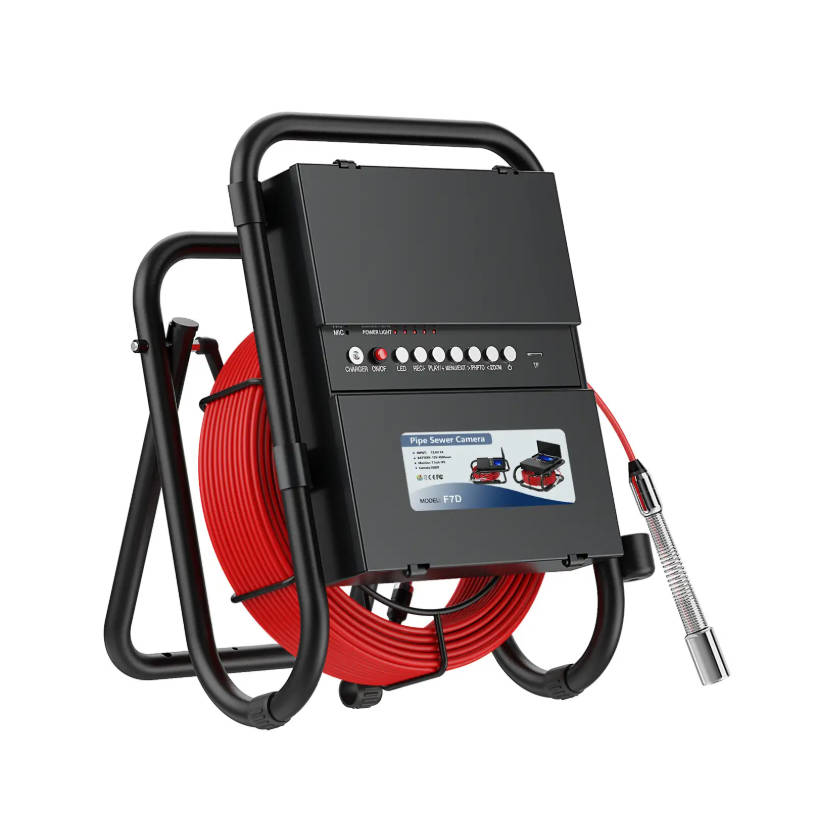
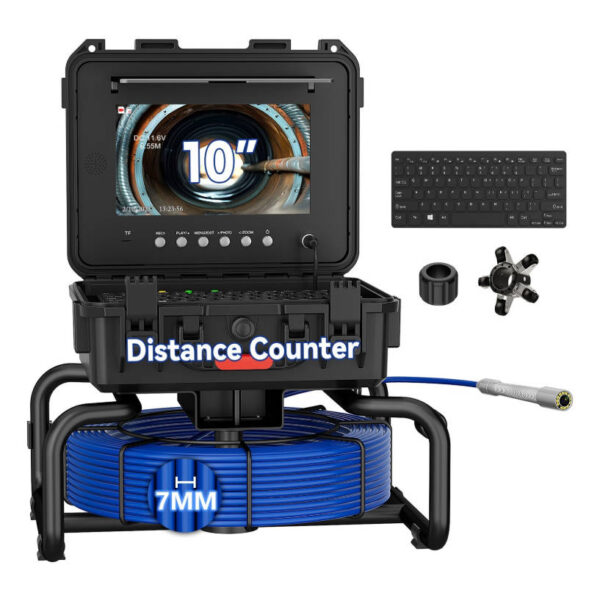
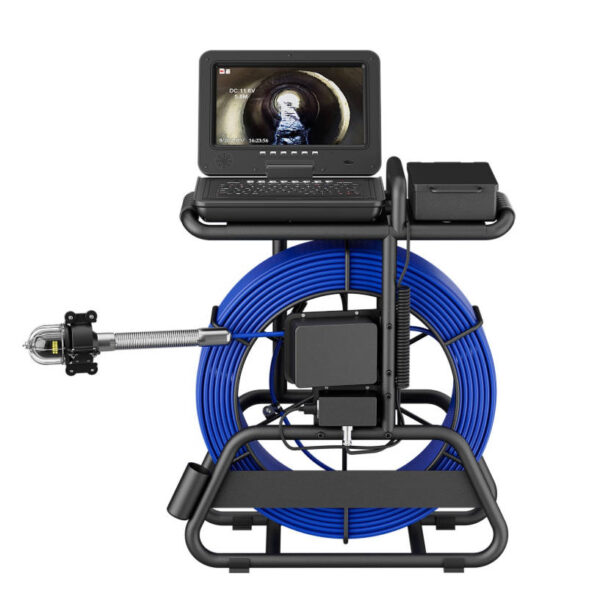
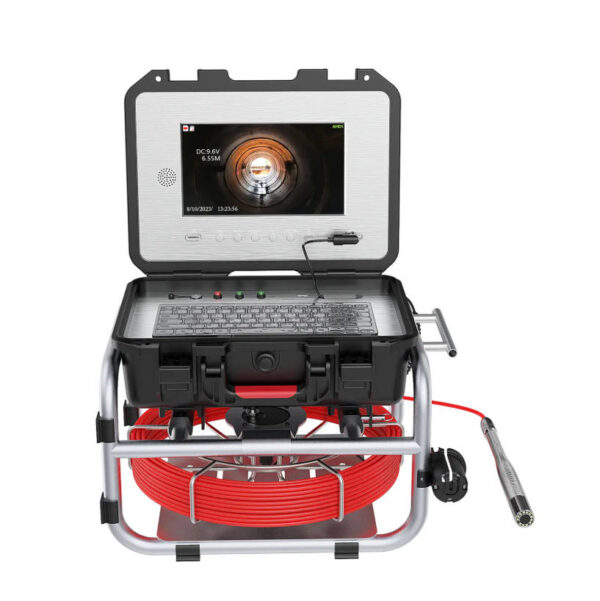
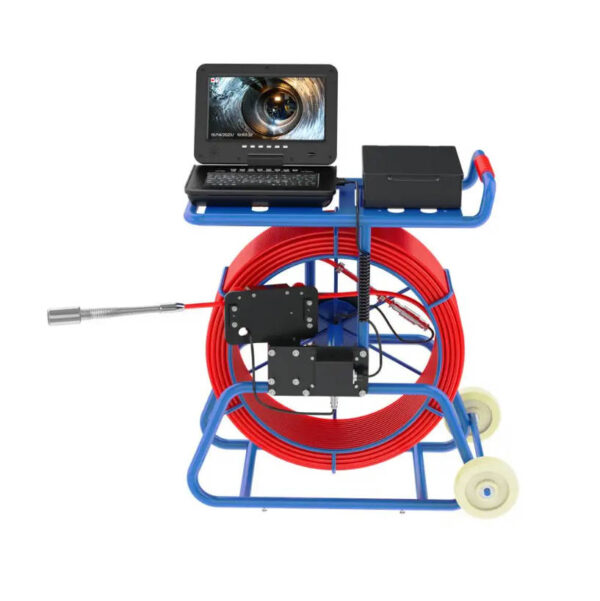
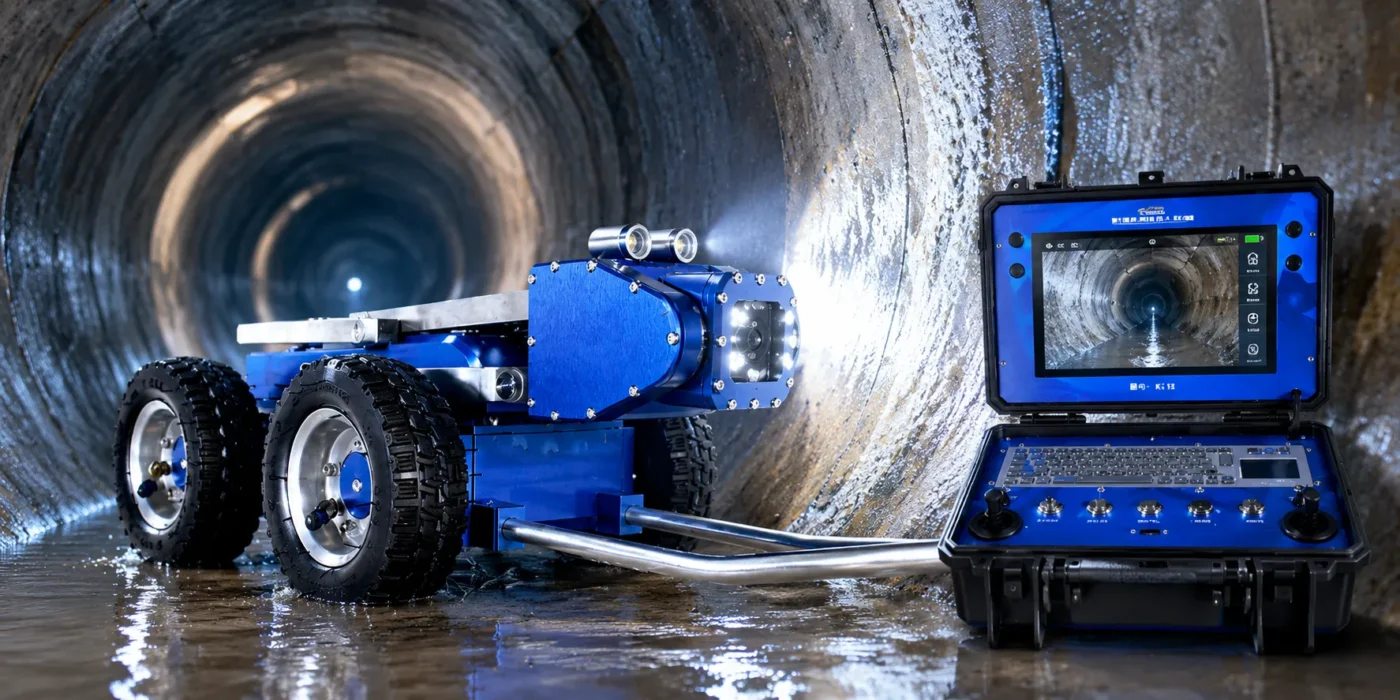
Equipped with a motorized crawler and an inspection camera, these systems can travel through pipelines and transmit real-time images to an operator at the control station.
Inspect Large Pipelines with Remote-Controlled Crawlers
Unlike conventional push-camera systems, pipeline inspection robots use motorized crawler units to move through pipelines.
This makes them particularly useful for inspecting larger pipes and longer pipeline sections where manual camera pushing may be impractical.
Depending on the model and configuration, pipeline inspection robots can offer:
- Motorized forward and reverse movement
- Remote-controlled steering
- Camera positioning and viewing adjustment
- Integrated LED lighting
- Real-time video monitoring
- Photo and video recording
These capabilities allow operators to inspect pipeline interiors more systematically.
Identify Pipeline Defects Before They Become Major Problems
One of the most important benefits of robotic pipeline inspection is the ability to visually examine internal pipe conditions.
During an inspection, operators can look for potential problems such as:
- Cracks and structural damage
- Pipe joint displacement
- Corrosion and surface deterioration
- Sediment and debris accumulation
- Root intrusion
- Water infiltration and leakage signs
- Deformation and other visible defects
Early identification of these conditions helps maintenance teams evaluate pipeline problems and plan appropriate repair work.
Improve Inspection Efficiency and Reduce Manual Work
Traditional pipeline inspection methods can require considerable preparation, labor, and specialized access arrangements.
A crawler inspection robot allows operators to control the inspection process remotely, reducing the need for personnel to enter pipelines directly.
The system can help maintenance teams:
- Examine difficult-to-access pipeline sections
- Reduce manual inspection work
- Capture visual evidence of pipeline conditions
- Identify areas requiring further investigation
- Support maintenance and repair planning
For municipal drainage networks and industrial pipeline operators, this can make routine inspection and maintenance more efficient.
Record Inspection Results for Better Maintenance Management
Modern pipeline inspection systems often include digital recording and monitoring functions.
Operators can capture images and videos during inspections, creating useful visual records for maintenance teams and project managers.
Inspection recordings can be used to:
- Document existing pipeline conditions
- Share findings with engineering teams
- Compare inspection results over time
- Support maintenance recommendations
- Provide visual evidence for repair projects
Maintaining inspection records also helps organizations monitor pipeline conditions and plan future maintenance activities.
Choose the Right Pipeline Inspection Robot
Selecting a suitable pipeline inspection robot depends on several important factors.
Before choosing a system, consider:
1. Pipeline Diameter
The crawler must be suitable for the internal diameter of the pipeline being inspected.
2. Inspection Distance
Consider the required cable length and the distance between the crawler and the control station.
3. Pipeline Conditions
Pipe material, internal obstacles, water conditions, and surface characteristics can influence crawler selection.
4. Camera and Lighting
Camera resolution, viewing angle, lighting performance, and recording functions are important for obtaining useful inspection images.
5. Crawler Configuration
Wheel size, crawler dimensions, driving performance, and optional accessories should match the intended application.
Discussing these requirements with an equipment supplier can help ensure that the selected system is appropriate for the actual inspection environment.
A Smarter Approach to Modern Pipeline Inspection
Pipeline inspection robots are becoming valuable tools for professional inspection contractors, municipal maintenance departments, and industrial operators.
By combining remote-controlled mobility, visual inspection, and digital recording, these systems help operators examine underground pipelines more efficiently and make better-informed maintenance decisions.
Whether inspecting municipal drainage networks, industrial pipelines, or underground infrastructure, a suitable pipeline inspection robot can improve inspection capabilities and support long-term pipeline maintenance.
Looking for a professional pipeline inspection robot? Explore our range of robotic crawler inspection systems designed for underground pipeline inspection, drainage maintenance, and industrial applications.
